Natural Disasters
Judge blocks reallocation of billions meant for disaster mitigation

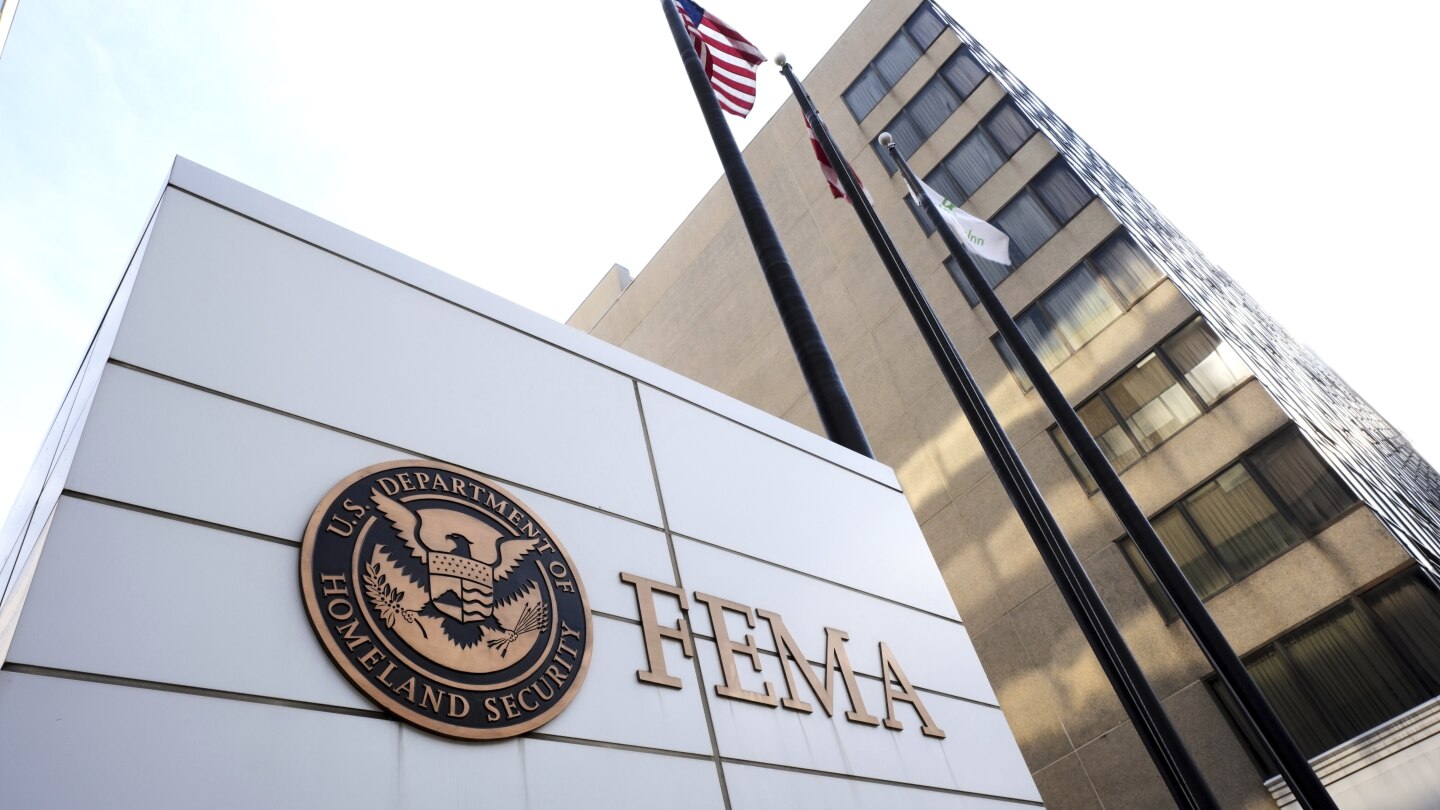
**Federal Judge Halts Diversion of $4B in Disaster Funds**
What’s Happening?
A federal judge has stopped the Trump administration from redirecting $4 billion specifically allocated for natural disaster mitigation. The decision is a major setback for the administration’s move to reallocate these funds for other uses, prioritizing immediate disaster response over long-term prevention
.
Where Is It Happening?
The ruling was issued by U.S. District Judge Richard G. Stearns in Boston.
When Did It Take Place?
The injunction was granted on Tuesday, September 15, 2020.
How Is It Unfolding?
- The judge’s decision blocks the administration from moving forward with its plan to divert funds until a full trial.
- The lawsuit was filed by environmental and community aid groups, concerned about long-term disaster preparedness.
- The Trump administration argued the funds were needed for immediate disaster response in 2020’s particularly devastating hurricane season.
- Supporters of the judge’s decision say it emphasizes planning for future risks over short-term needs.
Quick Breakdown
- More than $4 billion in disaster relief funds were at stake.
- Judge Richard G. Stearns granted a preliminary injunction.
- Environmental and disaster relief organizations brought the case to court.
- The administration wanted to redirect funds to current disaster response.
Key Takeaways
The ruling underscores the tension between addressing immediate natural disasters and preparing for future risks. It sets a legal precedent that could influence how disaster funds are allocated in the future. With climate change increasing the frequency and severity of natural disasters, this decision highlights the need to balance urgent response with long-term prevention strategies. While the administration wanted flexibility to address pressing needs, critics argue that diverting prevention funds could leave communities more vulnerable.
It’s like choosing between fixing a leaky roof now or reinforcing it before the next storm—immediate action is necessary, but foresight saves more in the long run.
“Diversion of preventive funds jeopardizes future resilience. We need strategies that protect both today’s victims and tomorrow’s communities.”
– Jane Carter, Climate Policy Expert
Final Thought
This legal victory for disaster preparedness advocates reinforces the critical need to balance urgency with foresight. While immediate crisis response is essential, long-term prevention ensures stronger communities in the face of growing climate-related threats. This decision could shape future funding debates as natural disasters become more frequent and severe.
Source & Credit: https://apnews.com/article/fema-bric-grants-lawsuit-climate-disaster-b10c8d2783543f61c8e8562befdd8fa7








Trade’s Biggest Threat Isn’t Tariffs-It’s Uncertainty

Exclusive: Top South Korea official says policy institutions to lead on $350 billion US fund, watching FX