NASA
NASA satellite shows lightning creating smog-forming gases in sky

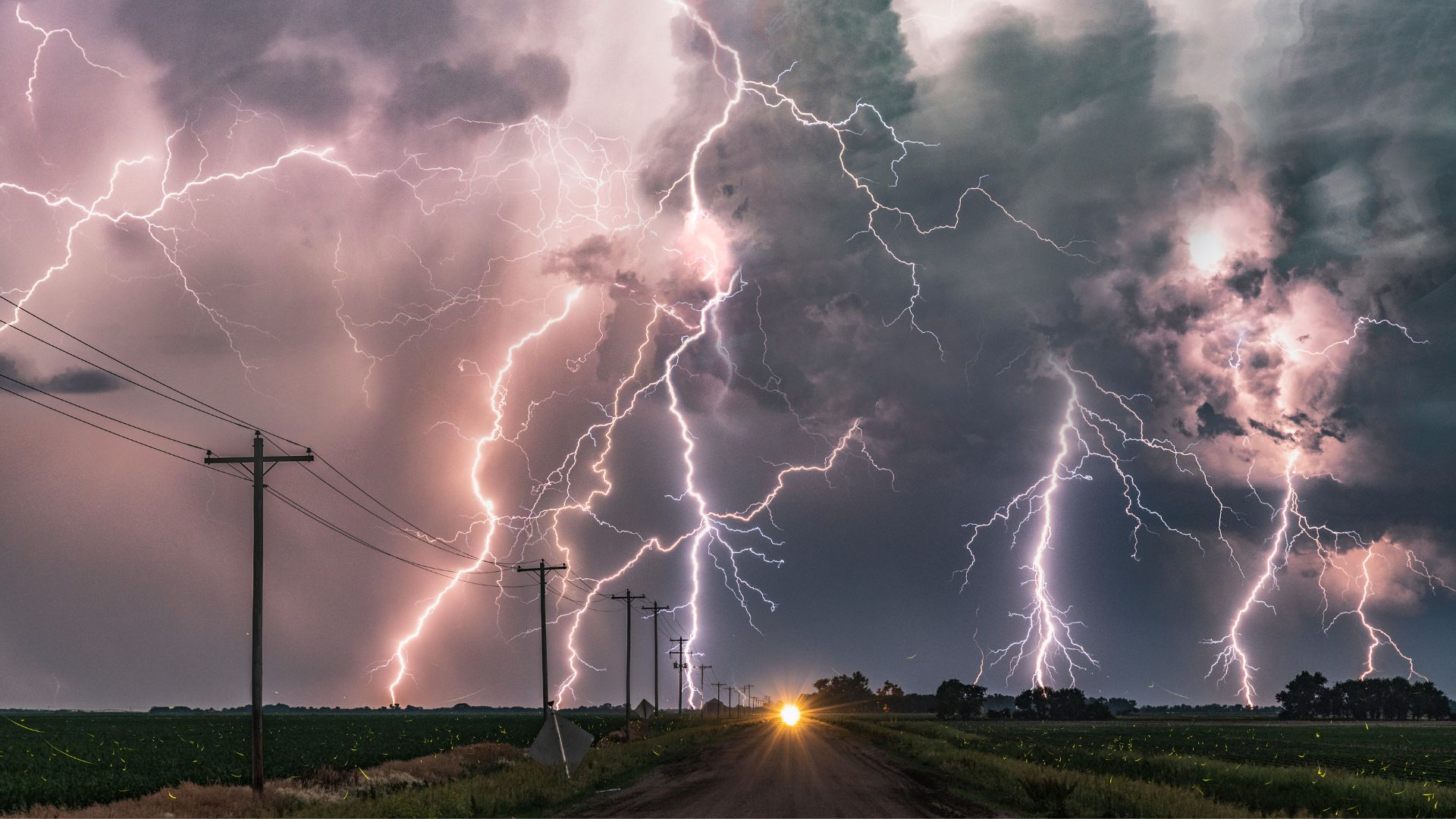
St strikes may make city smog thicker
What’s Happening?
Lightning strikes from thunderstorms are lighting up a surprising environmental concern—literally. New research shows these natural electrical discharges create smog-forming gases in our atmosphere, adding a complex twist to air pollution. Even more intriguing, these storms could also help clean up other harmful gases, making their impact on air quality a double-edged sword.
What’s Happening?
University of Maryland researchers discovered that lightning produces gases that contribute to smog formation. This finding flips the script on how we understand the role of thunderstorms in air quality, revealing an unexpected link between natural events and pollution.
Where Is It Happening?
The research was conducted using NASA’s Tropospheric Emissions: Monitoring of Pollution (TEMPO) satellite, which orbits the Earth’s atmosphere to collect pollution data. While the satellite doesn’t pinpoint specific locations, its data tracks pollution changes nationwide, suggesting the findings apply across regions prone to thunderstorms.
When Did It Take Place?
The research began after TEMPO’s launch in 2022, capturing real-time data as thunderstorms swept across areas like Texas and the Midwest. Scientists analyzed the satellite’s high-frequency scans, which revealed the impact of lightning on air pollution.
How Is It Unfolding?
– Lightning produces nitrogen oxides (NOx), gases that react to form smog when mixed with other pollutants.
– NASA’s TEMPO satellite was switched to high-frequency mode to track these gases in real time.
– Thunderstorms may also contribute to scrubbing some harmful gases from the air, making their impact complex.
– Researchers are now focusing on how these findings could reshape air quality models and pollution forecasting.
Quick Breakdown
– Lightning creates nitrogen oxides (NOx), a key ingredient in smog.
– NOx levels spike during and after storms, particularly in urban and suburban areas.
– Thunderstorms may also help break down pollutants like some volcanic gases in the atmosphere.
– The findings challenge the traditional view of lightning as purely destructive or neutral.
Key Takeaways
Lightning from thunderstorms plays a large role that wasn’t previously recognized fully. While it can create smog-forming gases, it may also contribute to cleaning the air of other pollutants. It means thunderstorms act as a natural double-edged sword, balancing between worsening and improving air quality. Understanding these effects could lead to better air pollution forecasting and public health measures.
While we’ve long known of lightning’s role in nitrogen oxides, the extent of its impact on local air quality is still a puzzle—one we’re just beginning to solve.
– Kenneth Pickering, UMD Professor
Final Thought
**Thunderstorms impact the sky in ways we’re only beginning to understand. Lightning silently shifts the balance of gases above our cities, forcing scientists and policymakers to rethink pollution control strategies. This research could lead to more accurate pollution forecasts, potentially saving lives in areas where smog is a health risk. With every lightning strike, the air we breathe changes slightly—and recognizing that change is key to a cleaner future.**
Source & Credit: https://interestingengineering.com/culture/lightning-strikes-release-summer-ozone-pollution









Trade’s Biggest Threat Isn’t Tariffs-It’s Uncertainty

Exclusive: Top South Korea official says policy institutions to lead on $350 billion US fund, watching FX