Climate Change
Scientists Say Catastrophic Wildfires Are The New Norm For Canada. Here’s Why

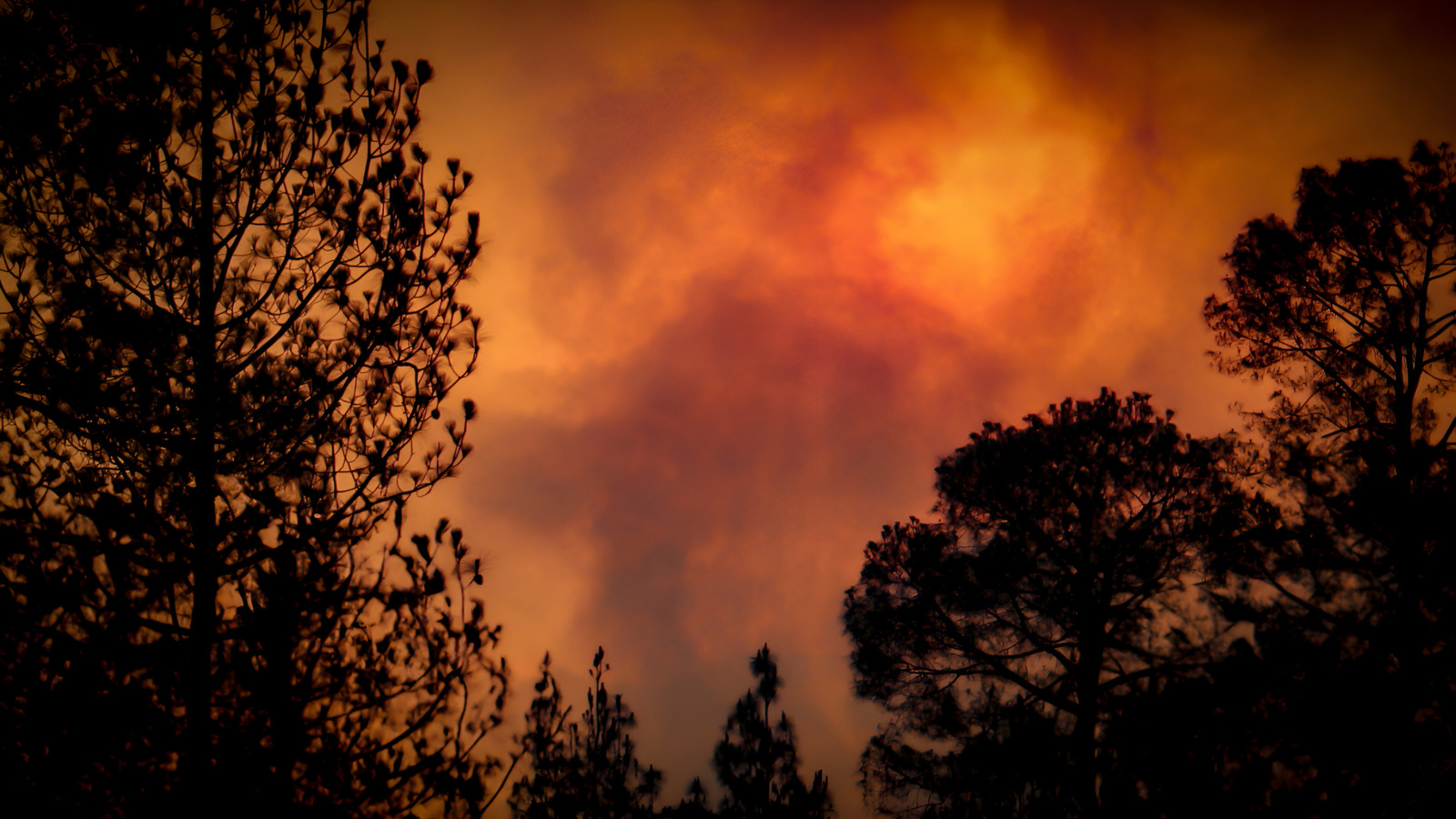
Canada’s Wildfire Crisis: The New Climate Reality Strikes
A Blaze of a Different Climate
Picture this: skies choked with smoke, towns evacuated, and landscapes reduced to ash. This is the grim new reality Canadian summers have become. With wildfires raging longer and fiercer than ever, the question isn’t if they’ll happen again, but when.
Climate change has shifted the rules, transforming traditional forest fires into unstoppable infernos. For Canada, this isn’t just an environmental issue—it’s a crisis reshaping lives, economies, and futures. As the world watches, the fight against these flames has become a battle against the very changes we’ve allowed our planet to undergo.
What’s Happening?
Canada is battling increasingly destructive wildfire seasons, with millions of acres burning annually. Rising temperatures, prolonged droughts, and favorable fire conditions are fueling this disaster, making suppression efforts more challenging and expensive.
Where Is It Happening?
The wildfires are spreading across several Canadian provinces, notably British Columbia, Alberta, and the Northwest Territories, with significant impacts on air quality extending as far as the United States.
When Did It Take Place?
This crisis is ongoing, with peaks during the summer months, but the trend of escalating fires has been observed over the past decade.
How Is It Unfolding?
- Climate change is prolonging fire seasons, with fires burning earlier in the spring and later into the fall.
- Drought conditions are creating excessively dry vegetation, which acts as kindling for wildfires.
- Firefighting resources are being stretched thin, with cross-border assistance required from the U.S. and Mexico.
- Evacuations and air quality warnings are becoming more common, disrupting daily life for millions.
- Long-term damage to ecosystems, wildlife, and infrastructure is raising concerns about recovery.
Quick Breakdown
- Each year, millions of acres burn due to intense, prolonged wildfires.
- Health risks increase as smoke spreads across cities, affecting vulnerable populations.
- Economic losses mount from property destruction, tourism decline, and firefighting costs.
- Global efforts to combat climate change are failing, exacerbating fire risks.
- Long-term solutions require international cooperation and meaningful policy changes.
Key Takeaways
Canada’s wildfires are more than mere disasters—they are symptoms of a planet in overdrive. As temperatures climb, forests dry out, and winds carry embers for miles, the threat of uncontrollable blazes grows. For Canada, this means not just fighting fires but also confronting the climate crisis head-on with policy changes, resource management, and community preparedness. The stakes are high: lives, homes, and livelihoods hang in the balance. Without action, these fiery seasons will only intensify, reshaping the country’s future.
“We’re fighting fires today with tactics from a bygone era. Until we address climate change, we’re just playing defense.”
Dr. Elara Whitmore, Fire Ecologist
Final Thought
Canada’s wildfires are not an act of nature but a result of human impact. As flames consume forests and smoke blankets cities, the message is clear: the time for delayed action is over. Preventing future disasters requires unity, bold policies, and global accountability. Ignoring this warning isn’t an option—it’s a recipe for more loss.
Source & Credit: https://www.bgr.com/1951590/why-catastrophic-wildfires-new-norm-canada/









Trade’s Biggest Threat Isn’t Tariffs-It’s Uncertainty

Exclusive: Top South Korea official says policy institutions to lead on $350 billion US fund, watching FX